Periodontal treatment Cluj Napoca

Periodontal disease

Periodontal disease or periodontosis (popular name) is a general term given to an infection or inflammation of the tissues surrounding the teeth, the periodontium.

What is periodontium? Teeth are held in place by the gums, bone, and ligaments that connect the teeth to the bone and act as shock absorbers. These three tissues (gums, bone, and ligaments) together form the periodontium.

There are two stages of periodontal disease – gingivitis and periodontitis.

The accumulation of dental plaque and tartar can lead to inflammation of the gums, which is the mild form of periodontal disease – gingivitis. The more severe form, periodontitis, can lead to tooth loss. Good oral hygiene can prevent the onset of periodontitis and can treat the early stages of the disease. In the case of periodontitis, specialist treatment is necessary.

Because periodontal disease progresses slowly and painlessly, many people do not seek professional help. Many cases remain undiagnosed until symptoms, such as advanced gingival retraction and tooth mobility, become apparent.

Even if periodontal disease has reached advanced stages, sometimes teeth can be saved. A loose tooth is not the same as a missing tooth. The vast experience of our specialist doctors, along with the modern and innovative techniques present in our clinic, allow you to keep affected teeth even when you think there is no chance.

How does periodontal disease manifest itself?

Periodontal disease is an inflammatory process. Unlike gingivitis, where only the gums are affected, periodontitis affects all periodontal tissues, which ensure the functionality of the teeth and keep them in the mouth. As the disease progresses, especially in the absence of treatment and hygiene, dental plaque accumulates not only around the gums, but also penetrates deep under them. Due to abundant deposits, the gums increase in volume, detach from the surface of the teeth - this is how periodontal pockets are formed. As the disease progresses, the contents of such pockets "rot", which only aggravates the whole situation - there is a gradual intoxication of the whole organism. The more severe the form of periodontitis, the more obvious all the symptoms are.

  • pain that occurs during meals – many patients believe that they have cavities, although, in fact, inflamed gums and exposed tooth roots are what cause these painful sensations,
  • bleeding gums – may be constant or may occur when pressing on the gums or brushing your teeth,
  • redness and darkening of the gums – they become bright red, purple or blue, especially in the area of the papillae,
  • the appearance of periodontal pockets – cavities that appear when the gums detach from the tooth as a result of the accumulation of a large amount of dental plaque,
  • bad breath resulting from the superimposition of a bacterial infection and suppuration of the contents of the periodontal pockets,
  • gum retraction along with bone tissue destruction – teeth visually „become” longer due to reduced gum volume, and appear wedge-shaped – roots being thinner and narrower than dental crowns,
  • tooth mobility occurs due to the destruction of periodontal ligaments and the reduction in the volume of all periodontal tissues – from insignificant in the initial stage of the disease to pathological in the advanced stage, when the teeth move laterally and also up and down, that is, they are on the verge of being lost,
  • feeling unwell, fever, general weakness.

Periodontal disease is the number 1 cause of early tooth loss. According to the WHO, some signs of inflammation are found in 86% of people aged 35 to 44. At the same time, in the same age group, approximately 20% of patients are diagnosed not only with periodontitis, but also with severe periodontitis.

Classification and stages of periodontal disease evolution

Periodontal disease almost always has a generalized form, affecting the entire dentition, since the nutrition of the gums is completely disrupted. It is customary to distinguish three forms of periodontal disease: mild, moderate and severe.

But inflammation of periodontal tissues (i.e. periodontitis) occurs in a fairly wide variety of forms – depending on the severity of the disease, its spread, and the reversibility of pathological processes.

According to the manifestations, periodontitis can be acute (all symptoms of the disease are manifested as strongly as possible), as well as chronic – in this case, the manifestations are more attenuated. As a rule, the latter is a slow and relatively mild process that does not particularly manifest itself in any way. But at the same time, the inflammation continues to destroy the periodontal tissue.

Treated in time, gingivitis is completely reversible. If the manifestations of gingivitis are ignored, it progresses, causing the appearance of periodontitis.

In the initial form of periodontitis, the inflammation is superficial, but has spread deeper than in the case of gingivitis. It is manifested by pain when brushing your teeth and during meals, small periodontal pockets are observed. If you turn to a specialist in time, then this form of the disease can be cured very quickly and easily, preventing its further development. But often patients do not go to the dentist, but resort to folk remedies, rinses with various solutions and limit themselves to changing the toothbrush and toothpaste.

Due to the lack of comprehensive and high-quality treatment, the inflammatory process spreads and „goes” deeper, gradually affecting the entire complex of periodontal tissues – this is already a chronic form. Patients usually complain only of bleeding gums, pain and bad breath. Some people may notice the appearance of tooth mobility, rapid formation of tartar and a changed smile. If you do not carry out systematic treatment, then all manifestations of periodontitis only continue to intensify.

When the inflammation affects 1-2 teeth, we are talking about localized periodontal disease. If the disease spreads to all teeth, it is generalized. Of course, the latter form is more dangerous for the teeth and requires more effort in treatment.

Stage I – the initial form or gingivitis. Gingivitis is a superficial inflammation of the gums, which the patient did not pay attention to. At this stage, there is no severe pain, and the first signs are bleeding gums, slight itching, swelling of the gums, change in the shade of the gums from pink to scarlet. The depth of the gingival pockets does not exceed 3.5 mm, there is no tooth mobility yet. 

Stage II – the average form or superficial periodontitis. The first signs intensify – the amount of plaque increases, it “sinks” under the gums, which causes the formation of larger periodontal pockets. Their depth already reaches 4-5 mm. Pus accumulates inside the pockets, so the smell from the mouth becomes extremely unpleasant. Bone tissue is gradually destroyed, there is a slight mobility of the teeth (grade I), „gaps” appear between them.

Stage III – advanced form or deep periodontitis. It is characterized by an increase in periodontal pockets of 5 mm or more, and the superimposition of a bacterial infection. Bone tissue destruction occurs, the teeth are very mobile. 

Stages of tooth mobility in periodontitis: when there is a chance of being saved

inlay onlay Cluj, obturatii estetice

Mobility can be normal or natural, and is necessary for shock absorption during mastication, but it can also be pathological, meaning abnormal. And periodontitis is considered the main cause of pathological mobility.

As periodontal disease progresses, pathological mobility becomes one of the most striking clinical manifestations and dominates all others – bleeding gums, destruction of bone tissue, etc.

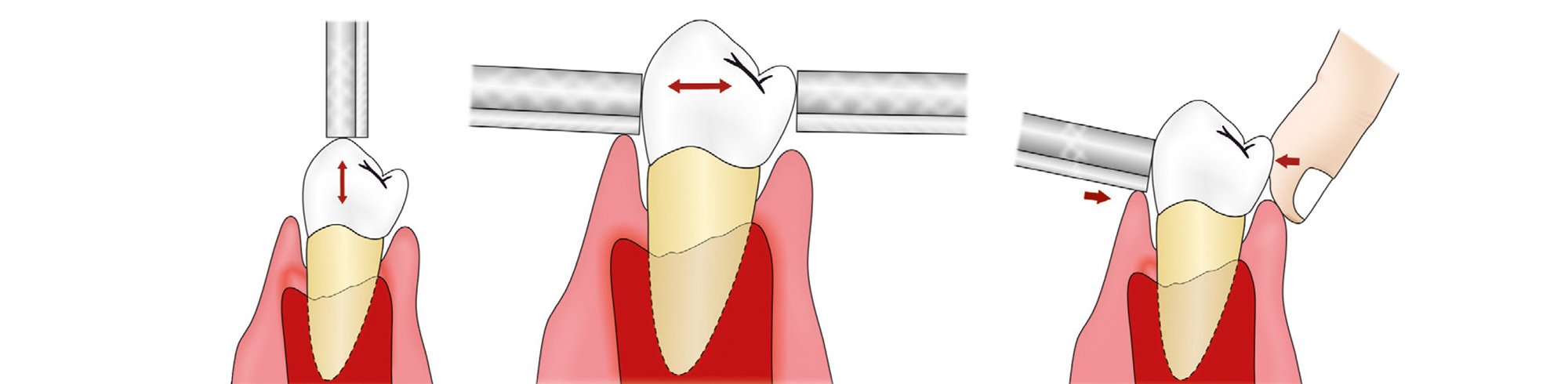
Grade I: mobility of up to 1 mm in the front-back direction, from the tongue to the cheek/lips; sometimes the teeth also move laterally. The chances of keeping your teeth are high.

Grade II: mobility in the same directions, but the movements are already greater than 1 mm. The chances of survival are average – the therapy will be long,

Grade III: The tooth is already mobile in all directions, including vertically. It is extremely difficult to save the tooth.

In some classifications, grade IV is also distinguished separately, in which the teeth rotate in their sockets and are on the verge of being completely lost. It is not even worth trying to save them.

Why does periodontal disease occur?

Bacterial plaque is currently considered the sole or main cause of periodontal disease, although there is a wide variety of predisposing or risk factors that contribute to the development of periodontitis.

Plaque is a soft deposit that forms on the surface of teeth. It is made up of several types of bacteria, sticky substances secreted by the bacteria, food debris, and saliva. The bacteria feed on carbohydrates and sugars in food, releasing acidic substances.

Over time, the acid degrades the surface of the teeth, leading to cavities and irritates the gums, causing gingivitis. In advanced cases, it causes the gums to recede from the teeth and destroy the bone.

Everyone has millions of bacteria in their mouths. Within minutes of brushing your teeth, plaque begins to deposit on the surfaces of your teeth.

In less than 24 hours, the layer of bacterial plaque that forms will usually be thick enough to be visible. Therefore, it is recommended to brush twice a day, morning and evening. This way, plaque deposits are removed before they increase in volume and affect the teeth and gums.

Tartar is formed from bacterial plaque that has absorbed calcium and other minerals from saliva. These minerals are intended to strengthen the surfaces of teeth, but when they crystallize into plaque, they turn it into a hard substance – tartar.

Early tartar deposits are as hard as chalk and are yellow in color, but over time they become darker and increasingly harder.

Generally, tartar can only be removed by a dentist.

According to numerous studies, it has been proven that periodontal disease (periodontitis) can cause some systemic diseases, and some health problems lead to the development of periodontitis. There are cases when a patient with diabetes mellitus for many years had a catastrophically high glucose level, but after tooth extraction it decreased significantly. Diabetes mellitus aggravates the course of periodontitis, while periodontitis, on the contrary, aggravates the course of diabetes mellitus. Thus, tooth extraction breaks this „vicious circle” and leads to an improvement in the patient’s well-being.


 

Factors leading to the development of periodontal disease

inlay onlay Cluj, obturatii estetice

However, there are situations when a person does not brush their teeth or has poor oral hygiene, but their teeth and gums are in good condition. And vice versa – hygiene is at the highest level, but periodontal disease continues to progress. This is where external factors come into play – for example, metabolic disorders, malocclusion, hormonal problems in women, etc.

Local factors (related to the condition of the oral cavity)

  • accumulation of plaque and tartar due to poor oral hygiene. The deposits host pathogenic microorganisms that trigger inflammation,
  • malocclusion and dental malposition that interfere with normal tooth cleaning, thus causing increased plaque accumulation. It happens that bite problems overload some teeth, which is why they are quickly affected along with the surrounding tissues,
  • short frenulum of the tongue or lip – due to excessive tension, the position of the gums changes, gingival retraction occurs, tooth roots are exposed, bone atrophy occurs,
  • permanent gum damage: wide crowns, excess fillings, orthodontic brackets
  • mouth breathing, which leads to dryness and hypoxia of the gums – even if oxygen enters the oral cavity directly (this is not enough, because the cells need nutrition from the inside),
  • enamel abrasion and hypermineralization, as well as the presence of microcracks, indicate occlusal trauma


General factors (related to the state of the body in general)

  • vitamin deficiency, especially lack of vitamins D and C,
  • endocrine pathologies: hormonal disorders, diabetes mellitus, hypo- and hyperthyroidism, etc.
  • pathologies of the hematopoietic system: leukemia, hemophilia, etc. – here, again, the metabolic processes between cells are disrupted,
  • vascular disorders that negatively affect blood microcirculation,
  • severe immunodeficiency states,
  • osteoporosis, which leads to the rapid destruction of bone tissue throughout the body,
  • diseases of the digestive tract, kidneys, systemic infections. In particular – GERD or reflux disease, when the acidic contents of the stomach are thrown into the esophagus,
  • bad habits: smoking, alcohol abuse,
  • age-related changes,
  • genetic predisposition

Why is periodontal disease dangerous and what are its consequences?

In addition to the fact that periodontitis destroys the gums and bone, the focus of infection in the oral cavity becomes a threat to the entire body. Bacteria that develop at a high rate in periodontal pockets, and when you swallow and eat food, enter the stomach, disrupting the work of the digestive tract - constant pain and discomfort appear.

The organs of the gastrointestinal tract are affected – they suffer primarily because bacteria from the mouth enter the stomach during meals. This can lead to indigestion, pain and cramps in the digestive tract, constant discomfort, poor digestion of food, heartburn and bloating. In a reverse chain reaction, stomach problems cause malnutrition of tissues throughout the body and further weaken periodontal tissues.

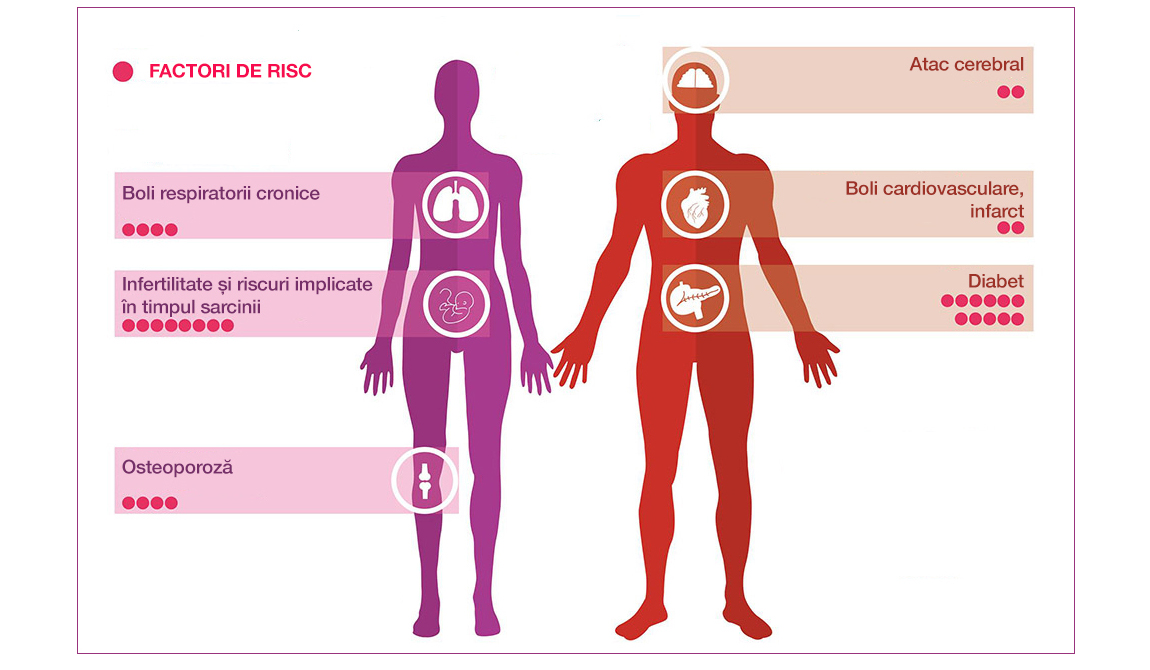
It has been scientifically proven that periodontitis increases the likelihood of pyelonephritis (inflammation of the kidneys) and heart disease by 6 times.

The mechanism of development of pyelonephritis is that pathogenic bacteria, penetrating from the inflamed periodontium, together with the bloodstream, produce proteins similar in structure to kidney cells. With an immune attack on pathogens, kidney cells are simultaneously destroyed. In addition to pyelonephritis, diseases such as glomerulonephritis and chronic renal failure are also common.

Periodontitis also contributes to the development of atherosclerosis, increases the likelihood of diabetes and stroke by 6 times, and increases the risk of breast cancer by 14%. During pregnancy, the risk of miscarriage increases by 7 times. The fetus is at risk because of all the bacteria that enter the amniotic fluid. They are capable of causing irreversible deviations in the unborn child up to developmental delay, underweight and even the development of autism.

How is periodontal disease treated in our clinic?

The first and most important thing to know is that treatment is only possible through a complex of procedures and procedures.

We have accumulated enough experience to take the treatment of periodontitis to a new level. The goal of our solutions is not only to stop the manifestations of the disease, but also to restore the destroyed tissues as much as possible.

Patients diagnosed with mild to moderate periodontitis are not hopeless! It is possible to stop the progression of the disease and stabilize the outcome for many years. But only with an integrated approach that uses the latest advances in periodontology.

The procedures that are included in the treatment of periodontitis are:

  • supragingival and subgingival scaling, without affecting the surface of the crown or tooth roots
  • supragingival air flow
  • subgingival perio flow with devices and methods specially designed to not damage the tooth roots or the inside of the gum;
  • polishing dental surfaces
  • sterilization of periodontal pockets throughout the depth of the pockets
  • antiseptic and antibacterial treatment of periodontal pockets
  • stimulation of local blood circulation and tissue regeneration using the dental laser
  • injections of plasma from the patient's own blood, which stimulates the restoration of damaged tissues and the closure of periodontal pockets
  • use of Straumann Emdogain® or similar products to stimulate soft tissue and bone growth, 
  • if necessary, bone additions accompanied by collagen membranes and/or APRF membranes obtained from the patient's blood
  • immobilization of teeth, if necessary, through various methods such as fiberglass bands or dental bridges

It is important to remember that periodontitis is a chronic condition. In the future, it is very important to visit the dentist/periodontist at least once every six months, as well as strictly follow the supportive therapy, if indicated.

What results can we achieve?

If the treatment is carried out in a complex, then all the factors that cause inflammation and relapse of the disease are eliminated throughout the chain of procedures. The dento-maxillary apparatus begins to function fully, metabolic processes improve, the tone and immunity of the gums increase.

  • tooth preservation
  • improvement of inflammatory processes, elimination of the focus of infection
  • eliminating bad breath,
  • creating a favorable environment for the restoration of the jaw bone and the ligaments that hold the tooth in the socket,
  • prevention of tooth mobility and bone atrophy,
  • the opportunity to place dental implants without removing remaining teeth, without the risk of rejection,
  • stopping the spread of infection
  • stable long-term results.

Professional deep cleaning of teeth and periodontal pockets

Objective: removal of plaque, tartar and the bacterial film that causes them,

This stage precedes all other methods of periodontitis treatment. It removes the microbial biofilm in the form of plaque and tartar, which are the factors leading to primary gum disease. Cleaning consists of several stages:

  1. ultrasonic cleaning and for removing dental plaque and tartar,
  2. treating the tooth surface and removing pigmented plaque with the Air Flow and Perio Flow air abrasive system,
  3. polishing with a brush with antiseptic paste to prevent plaque buildup,

During the cleaning process, the depth of periodontal pockets decreases, supragingival and subgingival tartar, granulations and infected connective tissues that accumulate on the surface of the teeth and under the gums are removed.

Diode therapy and teeth cleaning

Objective: antiseptic treatment of gums, activation of regenerative functions and removal of deposits,

It is a gentle method of removing granulation tissue. Treatment of the surface of the teeth (including the roots), as well as the gums with a laser is combined with complex cleaning or curettage of the gums. The laser removes pathogenic microflora, soft deposits, activates the regeneration of soft tissues and the growth of new cells, increases the tone and resistance of the gums to the activity of pathogenic bacteria. Under the influence of a laser beam, water decomposes into hydrogen and oxygen, and destroys the cells of pathogenic microbes and hard plaque, disinfects the surfaces and creates favorable conditions for further treatment.

Healthy tissues are strengthened and vessels are "sealed", due to which there is practically no bleeding and, therefore, the risks of pathogenic microflora entering the blood are reduced.

Biologically active preparations for tissue repair

Objective: restoration of bone and gum tissue volume.

With the advent of nano and bioactive materials that stimulate the regeneration of one's own cells due to the content of growth factors in the composition, it has become possible to restore the volume of destroyed tissues (initial and middle stages).

The biogel based on a mixture of enamel matrix proteins, which is produced by Straumann under the name Emdogain®, is used during gingival curettage. It is applied around the roots of the teeth after the gums are lifted or can be inserted with a special nozzle into deep gingival pockets without lifting. Other products are used for bone tissue, such as BoneCeramic® or Bio-Oss® from Straumann. In addition, collagen membranes are used, which serve as a barrier against the penetration of a pathogenic microbial environment during the period of active recovery and strengthening of one's own bone cells and periodontal tissues.

Plasma injections and the use of APRF membranes

Objective: accelerating the tissue repair process, relieving inflammation, increasing gum immunity,

Plasma injections are used as the main therapy for the restoration of all periodontal tissues. In periodontology it is used both in the form of membranes and in the form of injections. The patient's own blood plasma, rich in platelets, is used. These are cells that facilitate rapid tissue repair.

Plasma is a natural and safe immunomodulator, it is injected into problem areas, relieves inflammation and stimulates rapid tissue regeneration.

Plasma is obtained directly in front of the patient. First, blood from a vein is taken into a special test tube. Then it is placed in a centrifuge, where the blood is separated into fractions: depleted and enriched plasma, fibrin and other components. Depending on the method of therapy, a plasma for injection or a fibrin clot is prepared – a membrane that is applied to the affected tissue.

Drug and injectable therapy

Objective: restoring nutrition, saturating cells with oxygen, relieving inflammation,

In addition to platelet-rich blood plasma, to enhance the therapeutic effect, medical dressings with a disinfecting and regenerating effect are added. If necessary, the patient is also prescribed antibacterial drugs.

Selection of hygiene products and training in their use

Objective: removing and preventing the accumulation of deposits deep under the gums,

The main mistake of most patients is the refusal of hygiene when the first signs of gum disease appear. Bleeding has begun – we feel sorry for ourselves and switch to a soft brush. But this only aggravates the situation – the amount of plaque increases, inflammation increases. Of course, hygiene alone cannot cope with the problem – you still need to consult a doctor. But after starting treatment, Oral hygiene becomes a mandatory step to maintain the result obtained.

A 3-step daily hygiene regimen is recommended, using a toothbrush and toothpaste, dental floss, and antimicrobial rinse in combination with an irrigator.

  • teeth should be brushed with a toothbrush and toothpaste twice a day. The brush can be hard or soft, but only with an uneven contour of the bristles. It is perfectly acceptable to use electric toothbrushes,
  • to clean the spaces between your teeth, use interdental brushes and/or dental floss. This recommendation is valid after every meal,
  • To clean the interdental spaces and massage the gums, you must permanently use an irrigator (oral irrigator), without excluding the use of a toothbrush and dental floss.

In the first 30-40 seconds, it is necessary to exert the strongest pressure on the toothbrush, therefore, you need to start cleaning from the most „dirty” parts: from the lingual surface of the molars of the lower jaw and from the buccal surface of the molars of the upper jaw. Then comes the transition to the lingual surface of the central incisors. Movement – sweeping from the gum to the edge of the tooth. It is forbidden to move the brush horizontally along the dentition. Finally, we clean the surfaces on which chewing was done.

Remember that periodontitis is a chronic condition. Even if the disease has receded and entered into stable remission after treatment, you should still regularly visit the doctor at least once every six months and, if indicated, repeat some procedures. This way, you will protect your gums from inflammation for a long time.